
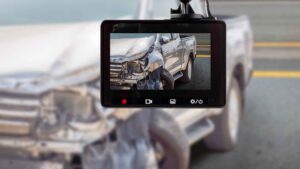
Video has become part of everyday life. Whether it comes from a dash cam, a home security system, a business surveillance camera, or a smartphone, there is a greater chance than ever that an incident has been captured on camera. Many people assume that if video exists, it automatically answers every question about what happened.
Video is one of the most valuable forms of evidence available, but it is not infallible. Like any type of evidence, it has strengths and weaknesses. As a personal injury lawyer, I evaluate video carefully as part of a larger investigation rather than relying on it alone.
Why Video Can Strengthen a Personal Injury Claim
One of the greatest advantages of video is its ability to preserve events as they happen. Unlike a witness’ memories, which can become less reliable over time, video captures details that might otherwise be forgotten or disputed. It often provides an objective perspective that helps clarify important facts.
Video footage, such as from dash cams, adjacent surveillance, or doorbell cameras, is extremely helpful and can be a game-changer.
Depending on what is recorded, video may help document:
- The sequence of events
- The actions of the people involved
- Environmental or weather conditions
- The location of people, vehicles, or other objects
- Details that support witness statements or other evidence
While every recording is different, these examples illustrate why video can become an important part of building a personal injury claim. Even when it does not answer every question, it often strengthens the overall picture when considered with other available evidence.
For a free legal consultation, call 404-214-2001
The Disadvantages and Limitations of Video Evidence
As valuable as video can be, it has limitations that should not be overlooked. Cameras only record what falls within their field of view. A critical moment may occur just outside the frame, or an object or person may block the camera’s perspective. Lighting, weather, image quality, and camera placement can also affect what is visible.
It is also important to understand that not every camera records footage. Traffic cameras at intersections are often only monitored, not recorded, or require a lawsuit and a judge’s subpoena to be accessed.
Private surveillance systems can present additional challenges. Many businesses and homeowners automatically overwrite recordings after a relatively short period. If no one acts quickly to preserve the footage, valuable evidence may be lost before anyone realizes it even existed.
Video Is Most Valuable When It Is Considered With All the Evidence
No single piece of evidence should determine the outcome of a personal injury claim. While video can be compelling, it represents only one perspective and may not capture everything that contributed to an incident.
That is why I consider video alongside every other available source of information. Depending on the circumstances, this may include:
- Police reports
- Witness statements
- Photographs
- Physical evidence
- Medical records
When all of the evidence is evaluated together, it is much easier to understand the complete story. In many cases, video serves to confirm, clarify, or supplement other evidence rather than replace it.
Contact Kaine Law if Video May Be Important to Your Case
If you believe video may exist that could help support your personal injury claim, I encourage you not to wait. Important recordings can disappear quickly if they are not identified and preserved.
Our legal team can evaluate the available evidence, determine whether additional video may exist, and explain how it may affect your case. If you have questions about your legal options, contact Kaine Law for a free consultation.
Call or text 404-214-2001 or complete a Free Case Evaluation form